

Funny how these things start. About a year ago, I bought a Xiaomi Poco dual-SIM Android phone with the idea of installing Ubuntu Touch. I hadn’t used it for about ten years and fancied seeing how far it had come.
What followed involved a bricked phone, an unexpected rescue by AI, and me rethinking my entire media setup. All because I fancied a little tinker! 😂
First rule: read the bloody instructions
I downloaded the UBports installer and set about it. It did warn that the phone needed to be running Android 10. Mine was running Android 11.
Naturally, I carried on anyway.
Even unlocking the phone was a right pain. I had to submit a request to Xiaomi and wait until the next day, apparently so I could think about what I was doing.
WTF! It’s my phone!
Anyway, I eventually got it unlocked, fired up the UBports installer and promptly bricked it.
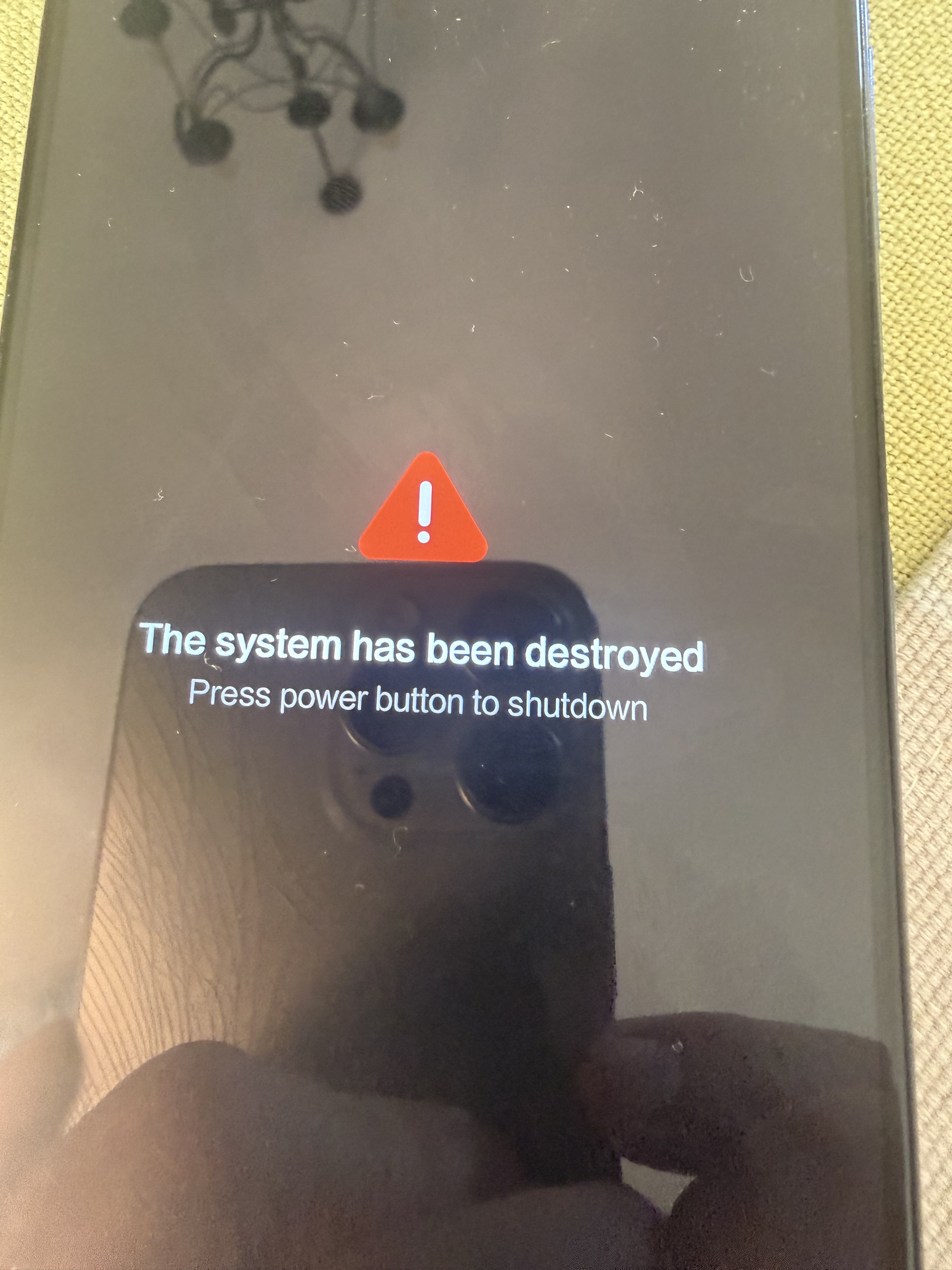
After about an hour trying to bring it back to life, I threw it back in its box. That was enough of that.
A year later, AI gets involved
Fast-forward a year and I thought I’d ask AI about it.
“Get the phone out. Let’s have a look.”
Within about 30 minutes, I had Android running on it again—and this time, Android 10, the version I should have been using in the first place.
I started the UBports installer again and ended up with a phone running Ubuntu Touch.
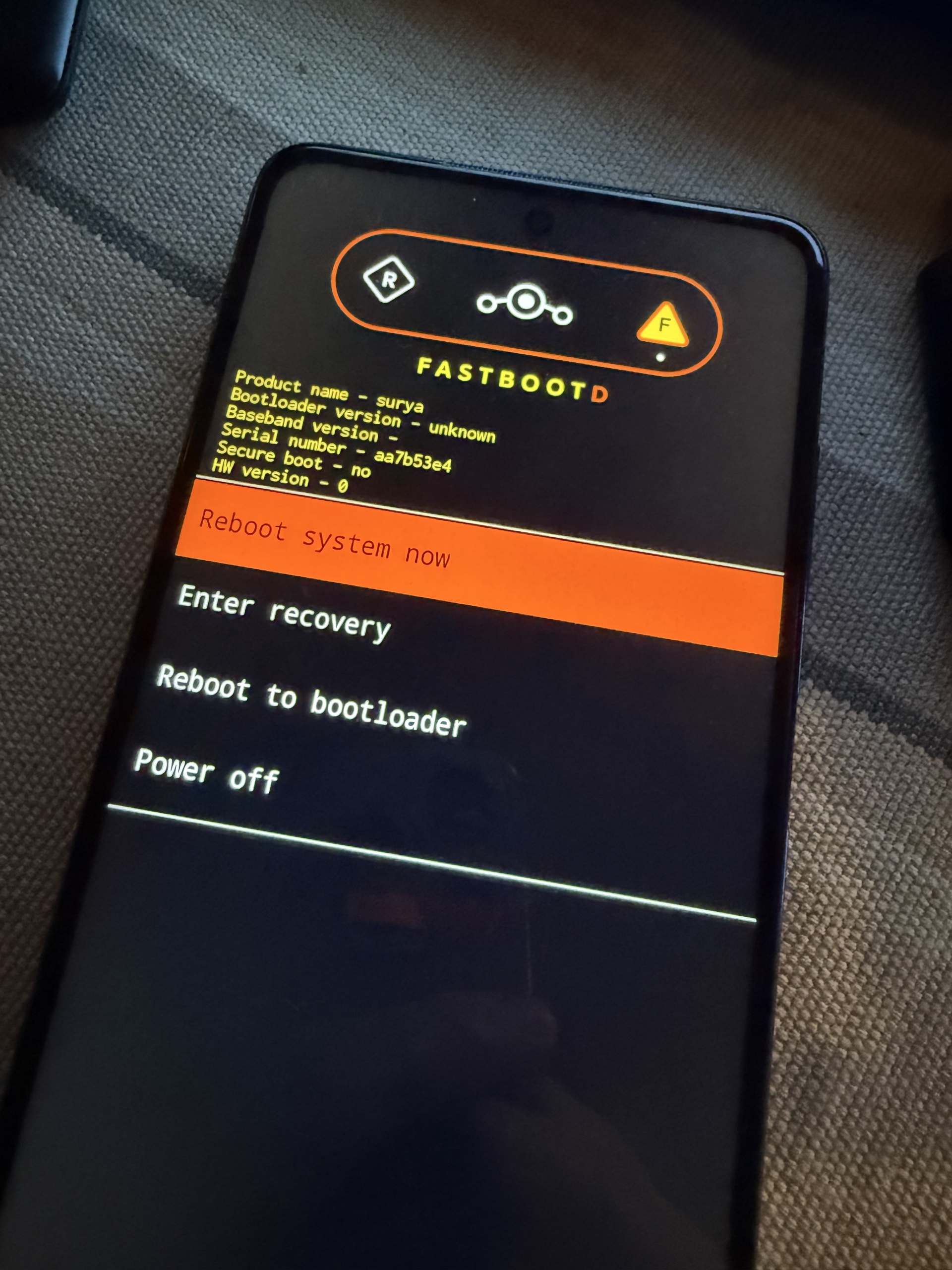
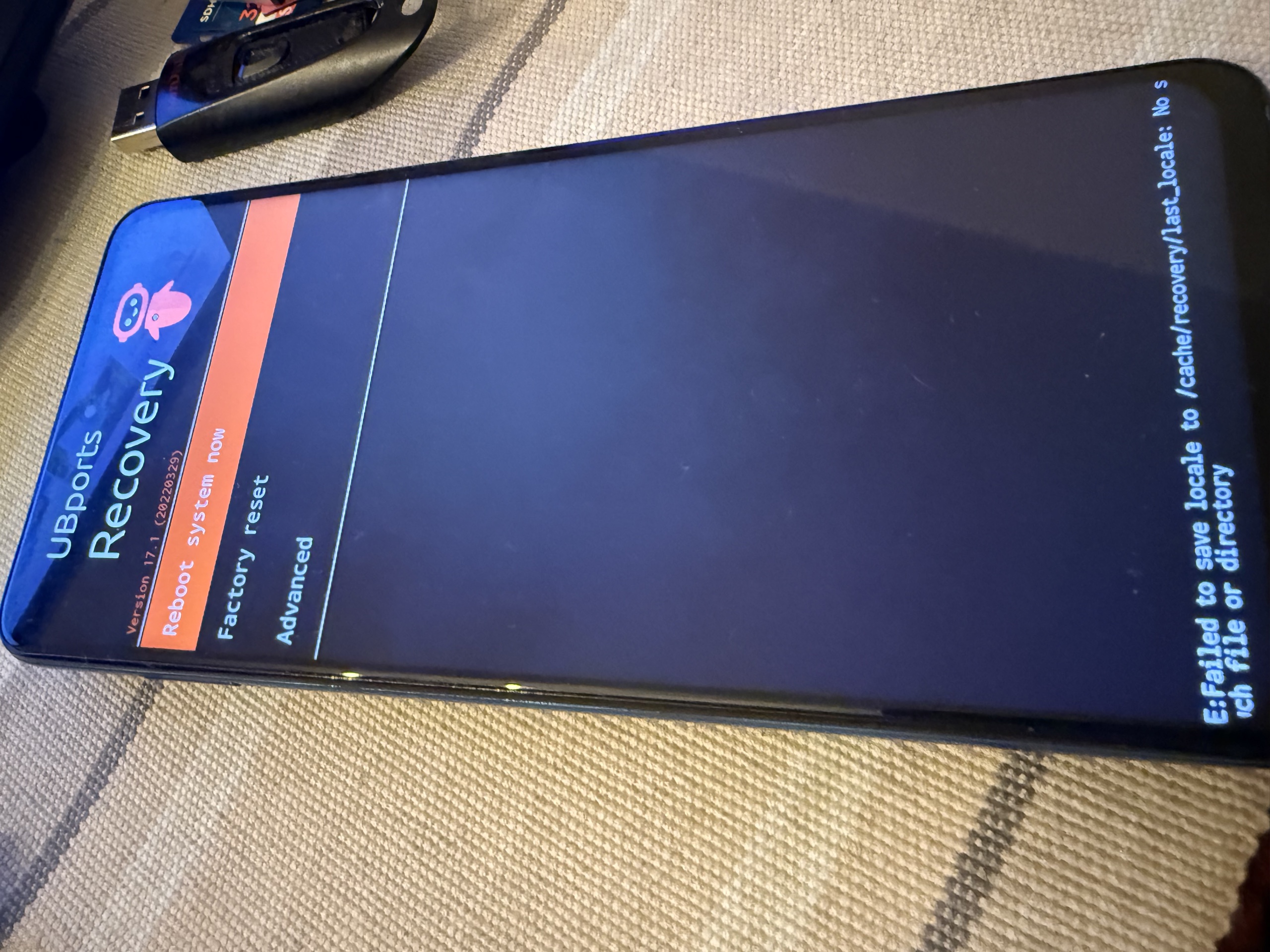
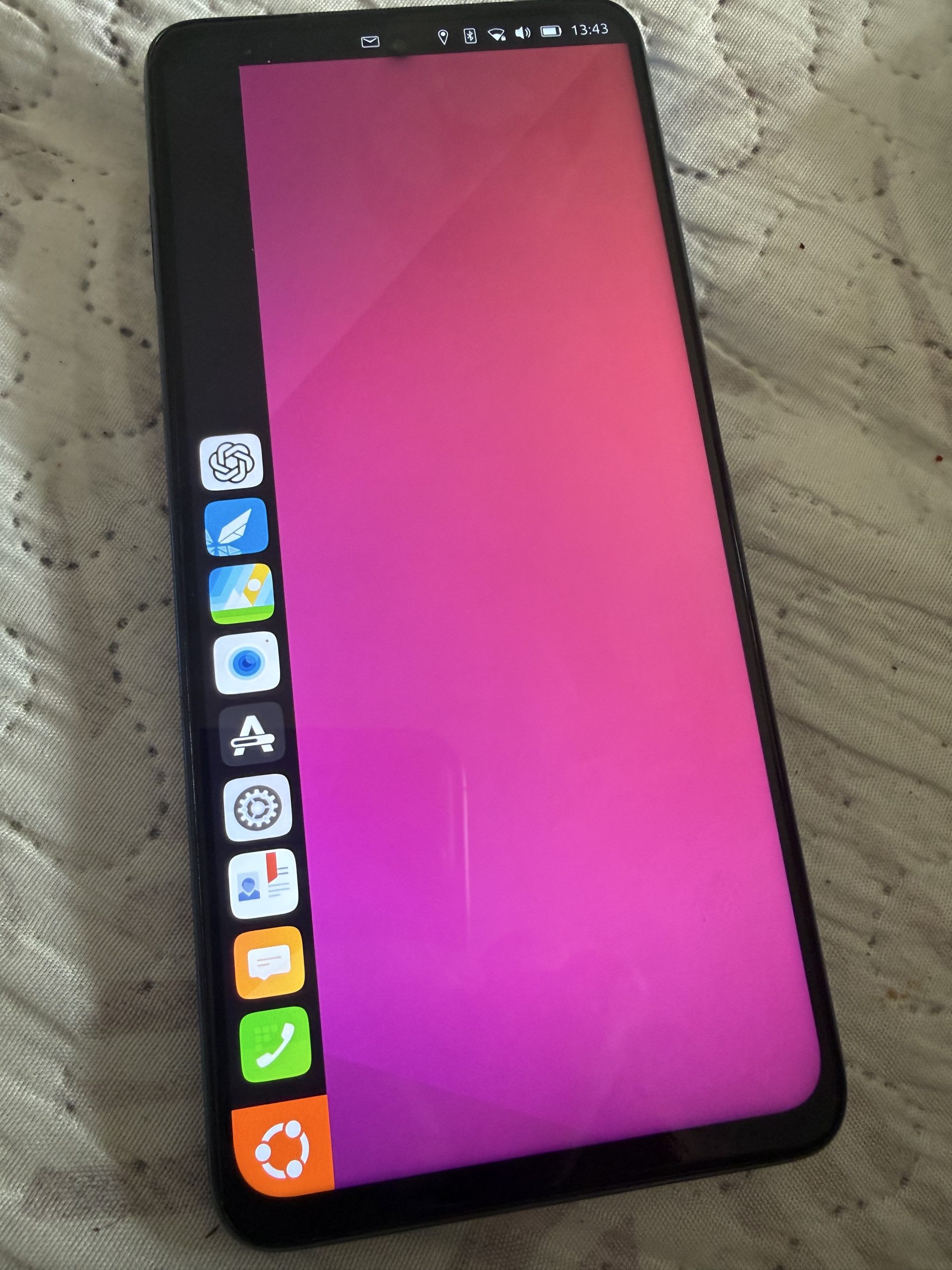
Wallaaaaa! Finally!
Ubuntu Touch: lovely, but could I live with it?
I set the phone up and installed the basics. I have to say, it pairs up lovely with Nextcloud.
The app situation felt familiar from my previous experience: plenty to explore, some things working and some things not quite there.
I did a bit of testing with Libertine. It worked, but the scaling was off, leaving desktop applications far too small to use comfortably on the phone.
Telegram, WhatsApp and email worked really well for what I needed. Plex was a different story. I’ve got a paid Plex subscription, but I couldn’t find a suitable app, and running it in a web container wasn’t particularly enjoyable.
So I installed Jellyfin alongside Plex on my QNAP NAS.
It worked brilliantly at first, but when I moved from Jellyfin 10 to version 12.4, the Ubuntu Touch app stopped letting me log in. I could still access it through the web container I’d made, but it was another workaround.
After a week or so, I’d reached my conclusion: I love the idea of Ubuntu on a phone, but it wasn’t fitting into my daily life.
Even running Android apps inside it brought its own frustrations. Things could feel fast and slick, then something as basic as copy and paste wouldn’t work.
I’d spent hours tinkering, and the phone ended up back on the shelf collecting dust.
It’s a nice thing to play with, and I’m glad I got it running. But for my everyday phone, I need the apps and basic functions to work without turning everything into another project.
The unexpected winner: Jellyfin
The phone experiment wasn’t a complete dead end, because it made me take another look at Jellyfin.
I was finding it lighter and slicker than my paid-for Plex setup—especially when it came to live TV.
Live TV through Plex had been unreliable for me. Half the time, I seemed to be dealing with either Plex or Threadfin playing up. I wanted to watch something, not spend the evening diagnosing why it wouldn’t play!
While working on the setup, I found Dispatcharr, an open-source TV proxy.
An absolute gift from the gods!
I added my Xtream accounts, selected the channels I wanted and got everything organised. That part was exactly what I’d been looking for, although using it through Plex was still flaky in my setup.
So I gave Jellyfin a proper go.
Getting Jellyfin how I wanted it
Moving over wasn’t just about getting a film to play. There were a few features I wanted before I could settle into it:
- Lyrics for music
- Theme music while browsing movies and TV shows
- Trakt scrobbling
- Last.fm scrobbling
- Intro skipping
I found plugins for what I needed and got them configured. Intro Skipper took a little fiddling, but once everything was working, the setup was pretty much perfect for me.
And, more importantly, it felt much slicker than my Plex setup.
I ran like that for a week or so across my devices, using Jellyfin for movies and Finamp for music.
Then I hit one more requirement.
Music for my shows needs crossfading
Because I use music during my shows, crossfading matters to me. I needed a player that suited that use, not just something that could play an album at home.
After trying a few options, I stumbled across Headroom.
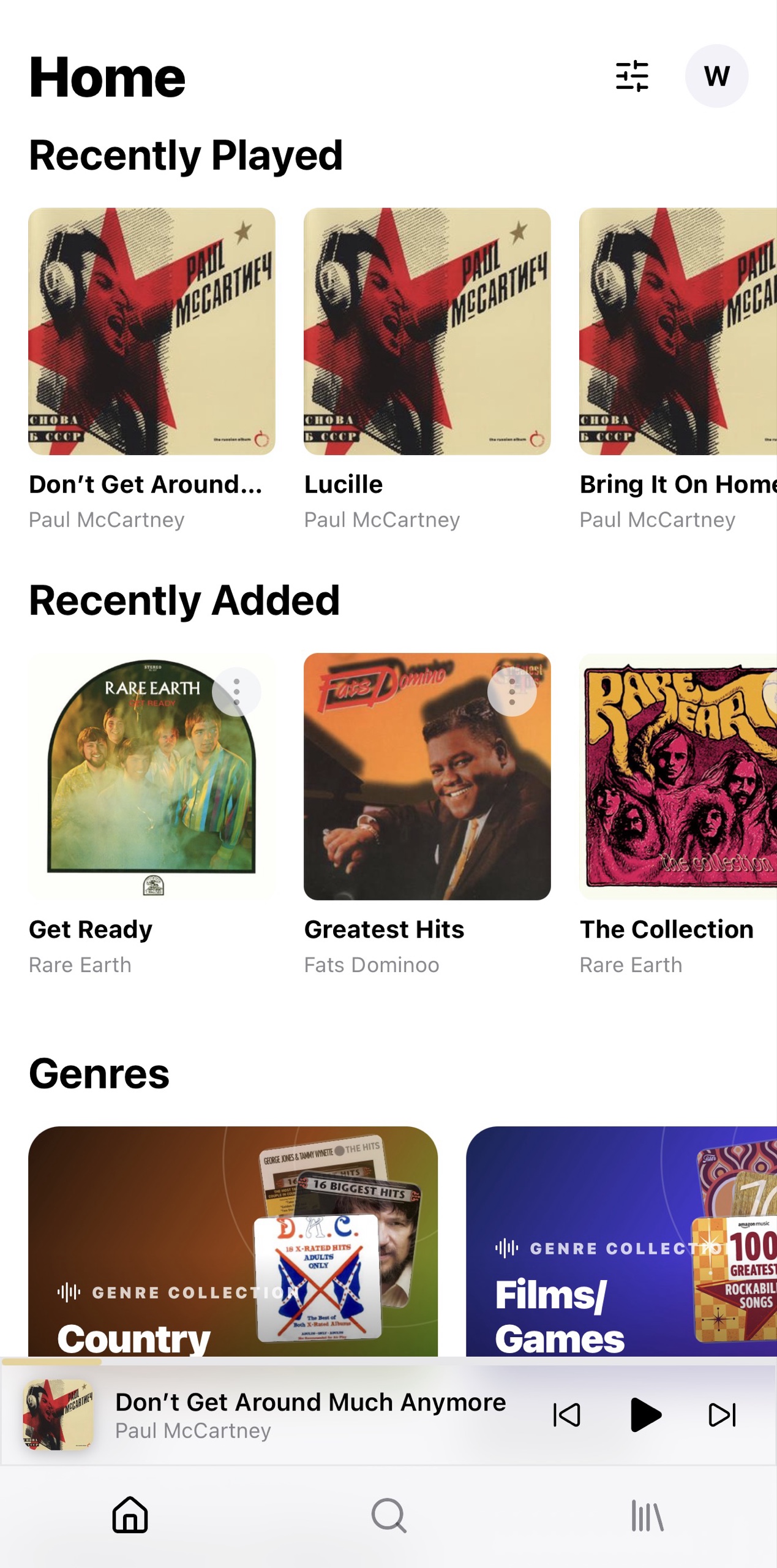
I’ve been using development versions on both my iPhone and Android phone, helping test it whenever I get the time. The developer has been really friendly and genuinely appreciative of the testing and feedback.
It does everything I want—and more. I’ve settled on it, and I’m happy to pay for it when the finished app launches.
If you’re using Jellyfin for music, it’s one to check out!
Moonfin brings it all together
I’m really happy with the music side now that I’m using Headroom. But while browsing Reddit, I stumbled across Moonfin and Seerr, and that sent me down another rabbit hole!
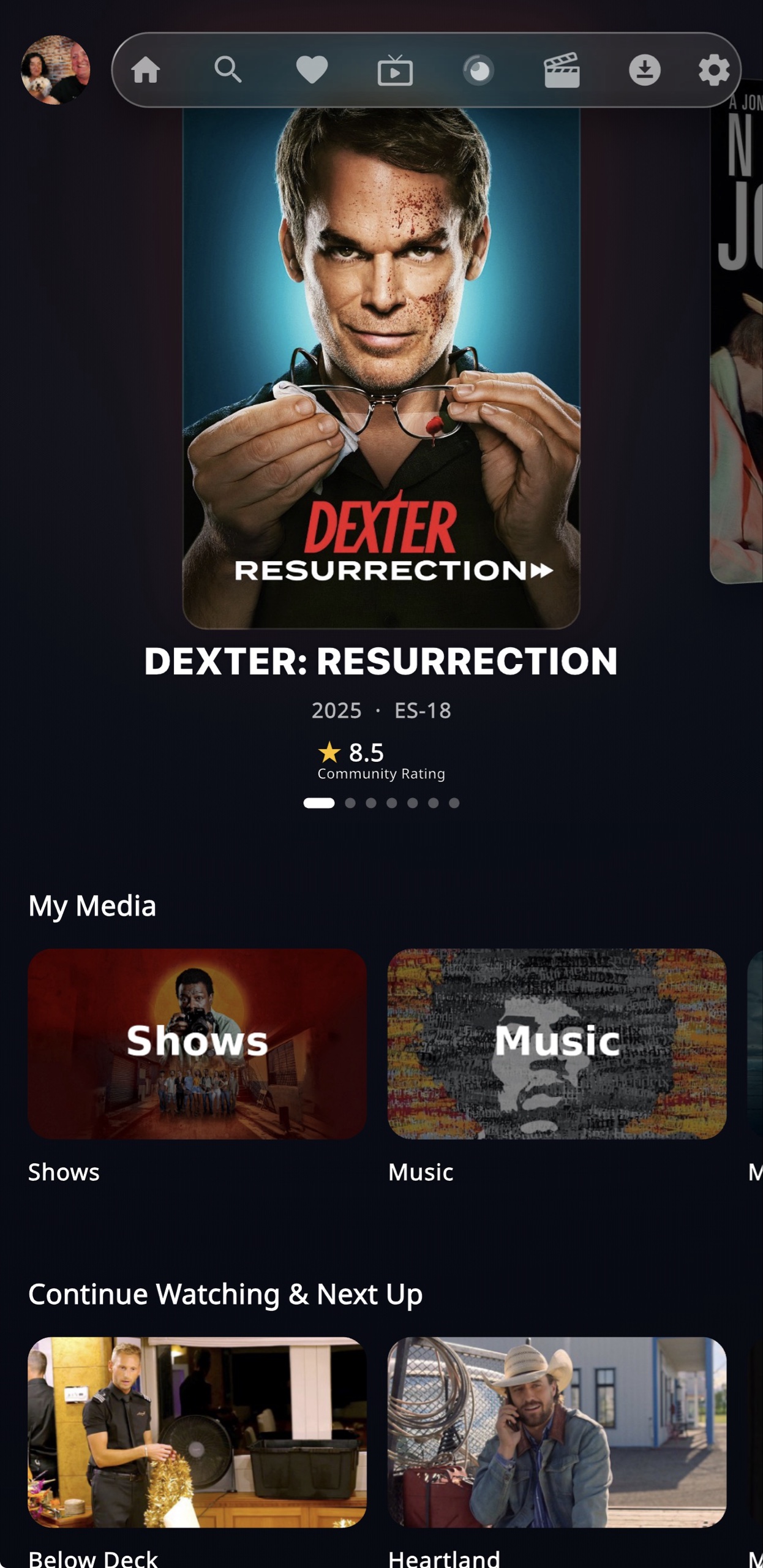
I already had Sonarr set up and working, so I got Moonfin running on my iPhone, spun up Jellyseerr in Docker and connected it to Sonarr using its API key. The setup was surprisingly easy.
Jellyseerr handles both my movie and TV-series requests. I went into Moonfin on my phone and started requesting a movie and some extra series I wanted. Fantastic—we could now get downloads going without leaving the Moonfin app!
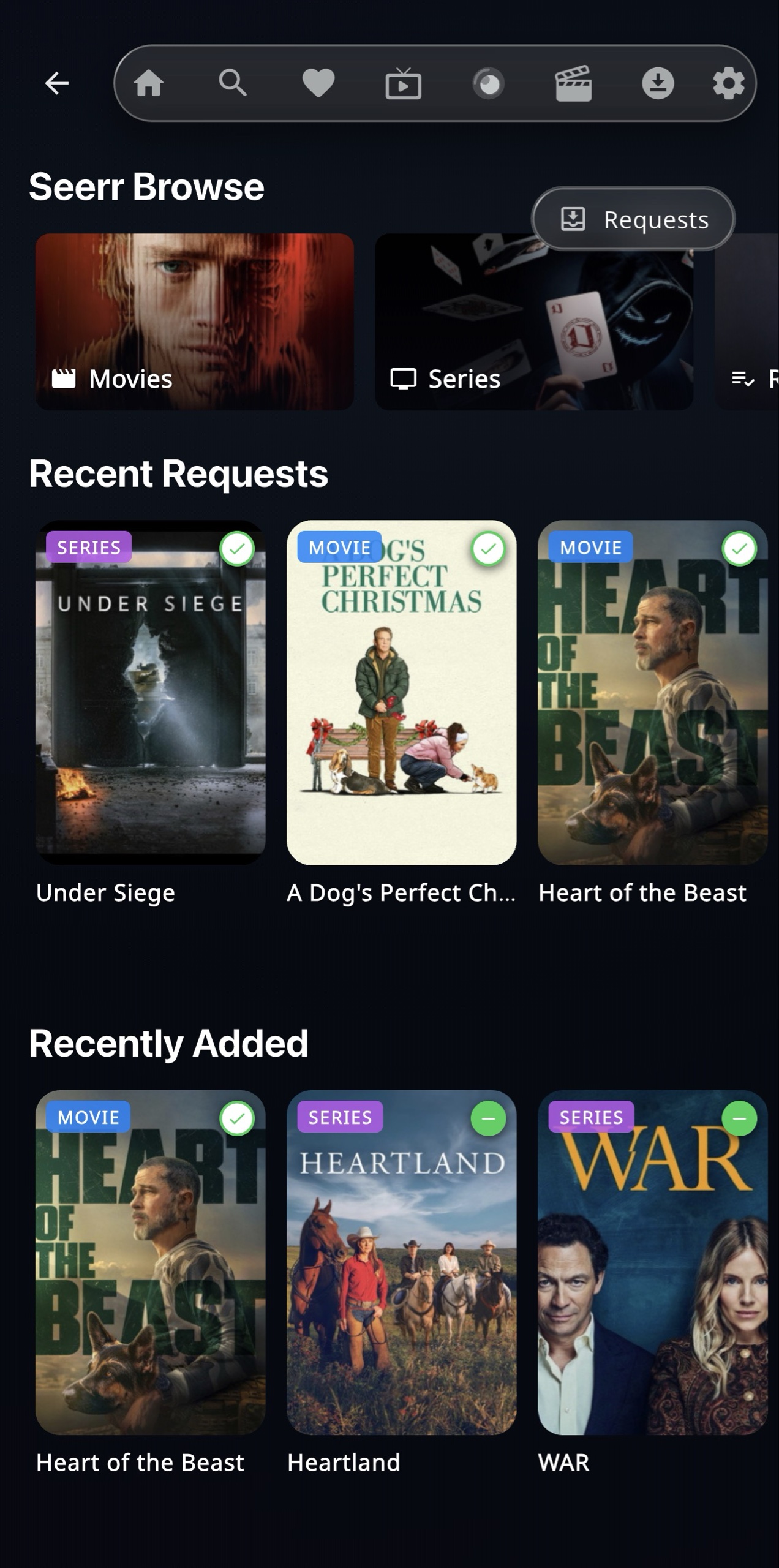
Next job: get it on the televisions. I’ve got an LG and a Samsung, so I checked their app stores.
Not there. Damn!
After a quick search and a bit of help from my Hermes AI server—which we’ll get into in my next blog post!—I managed to sideload it onto both televisions. I added the users and connected Seerr, and it’s all working absolutely perfectly.
Moonfin can be configured just how I want it. After all the fiddling, I’ve finally got a setup I’m properly happy with.
So where have I ended up?
It’s been an adventure!
I’ve got an Ubuntu phone sitting on the side until I fancy dropping back in and seeing how things have progressed. A Plex Pass worth €750 sitting there doing nothing. And a lovely Jellyfin server costing me nothing in software fees, working like a dream and doing more of what I actually want!
Headroom for my music, Moonfin on the phone and televisions, and Jellyfin behind it all.
Not quite what I expected when I bought a phone to play with Ubuntu, but I’ll take it! 😂